Profiles in Courage: providing seed donations to women micro-entrepreneurs
Laugh2heal (principal and family) provides support to women micro-entrepreneurs who carry out small
commercial activities in order to support their families. The first group of beneficiaries, Djélia, Odile,
Elisabeth, Marina, Germaine and Edith also benefit from the advice of and the follow up by the Franciscaines Missionnaires de Marie.
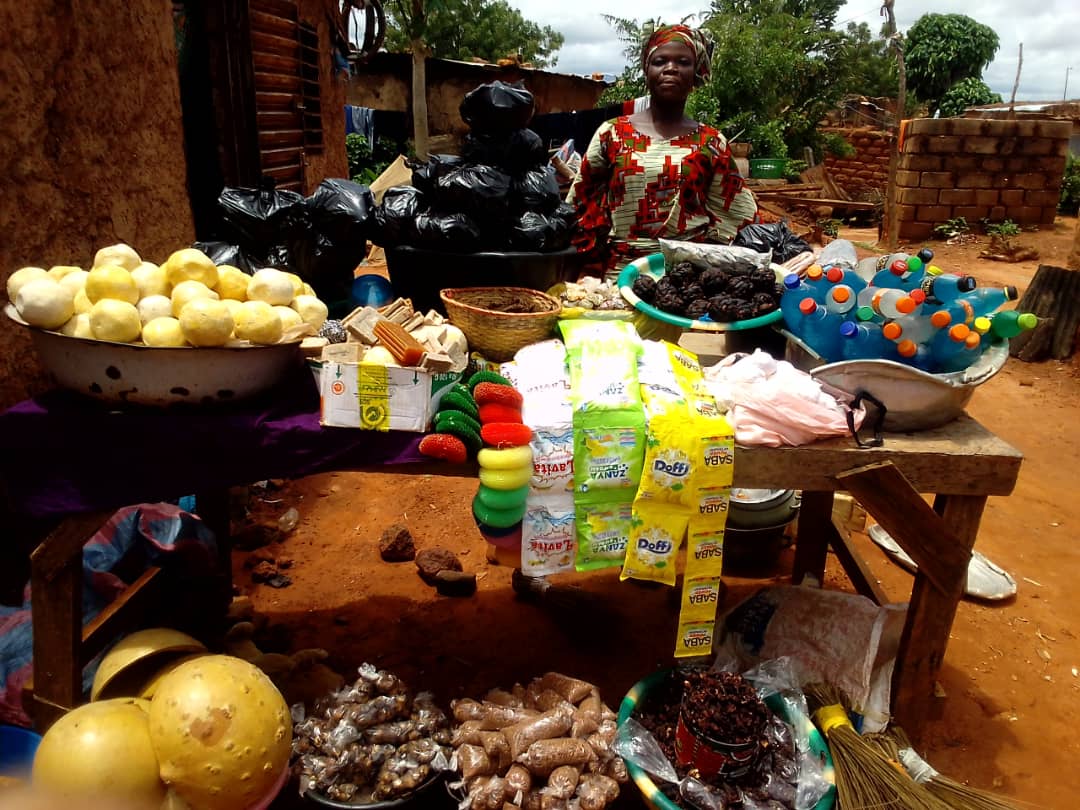
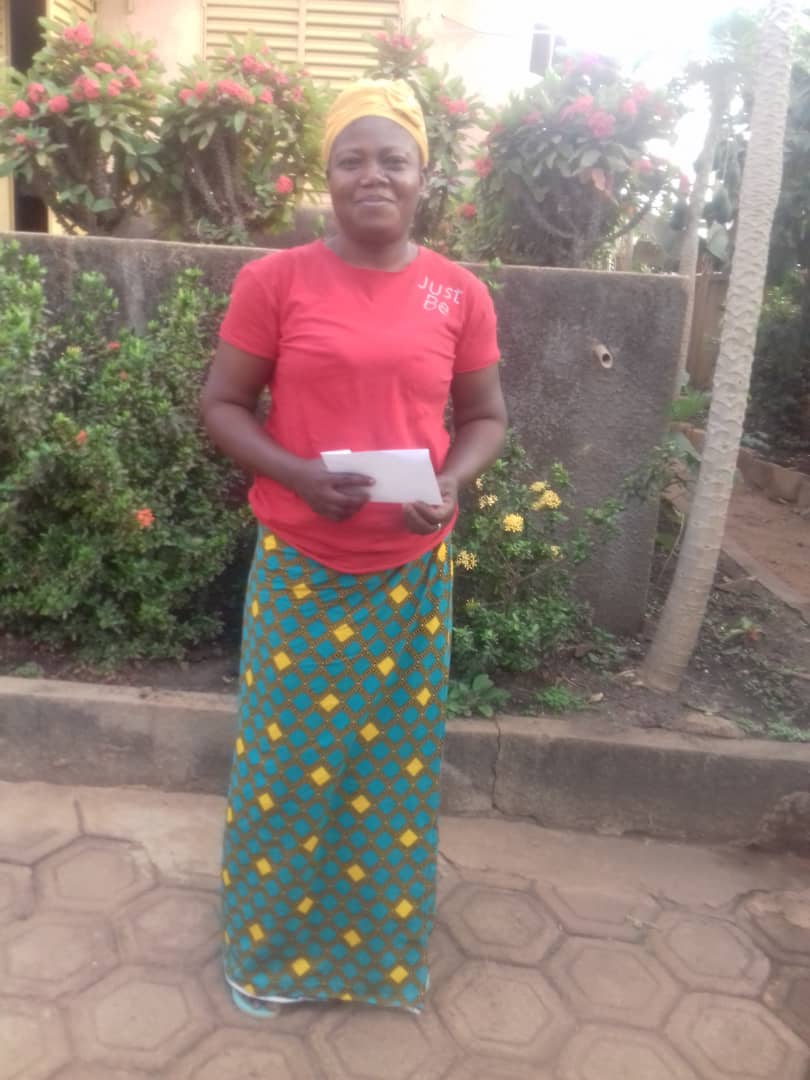
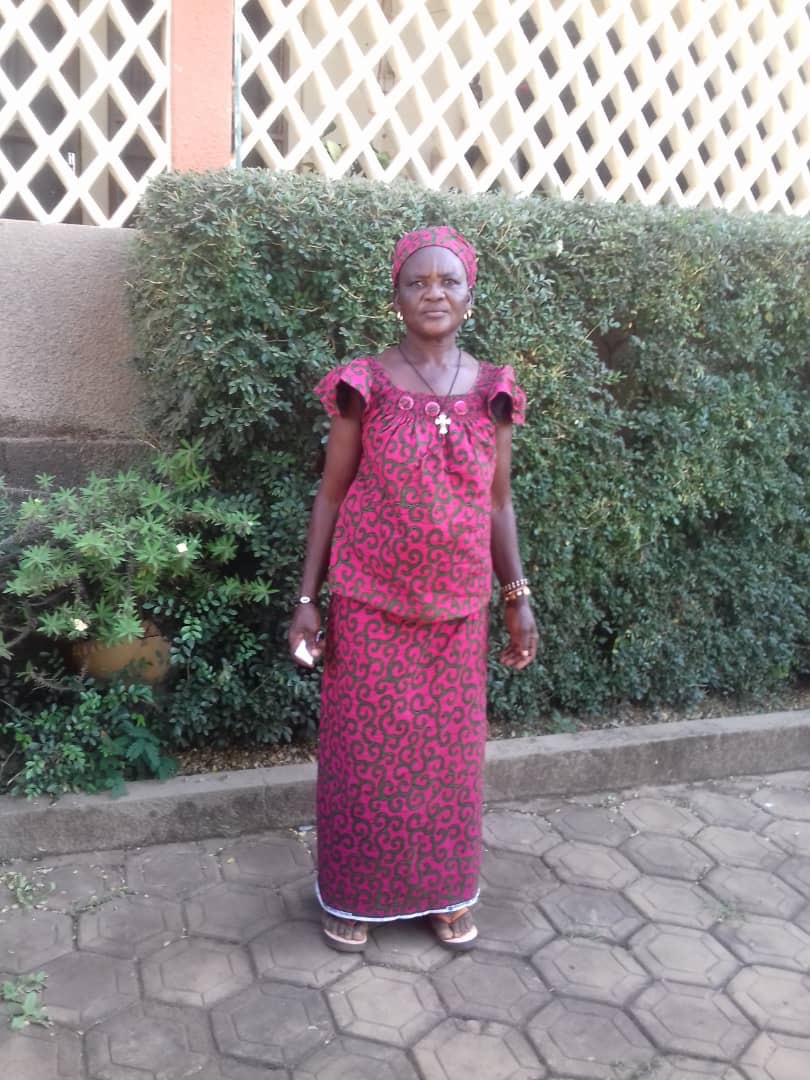
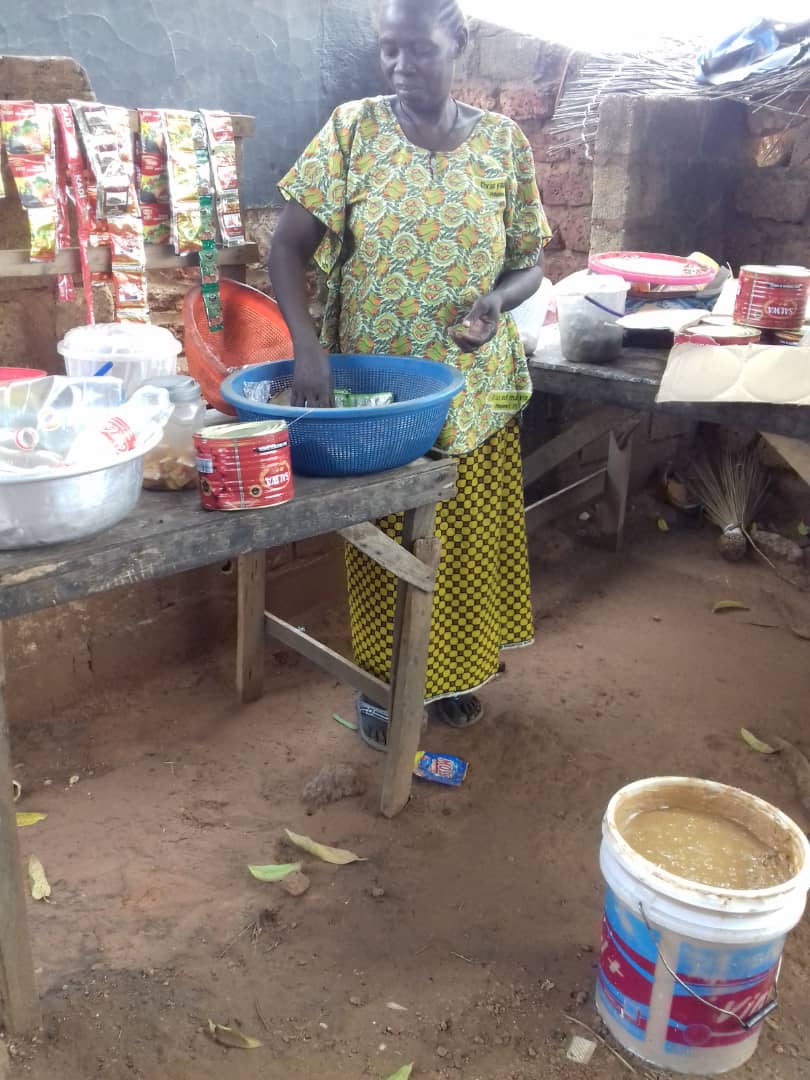
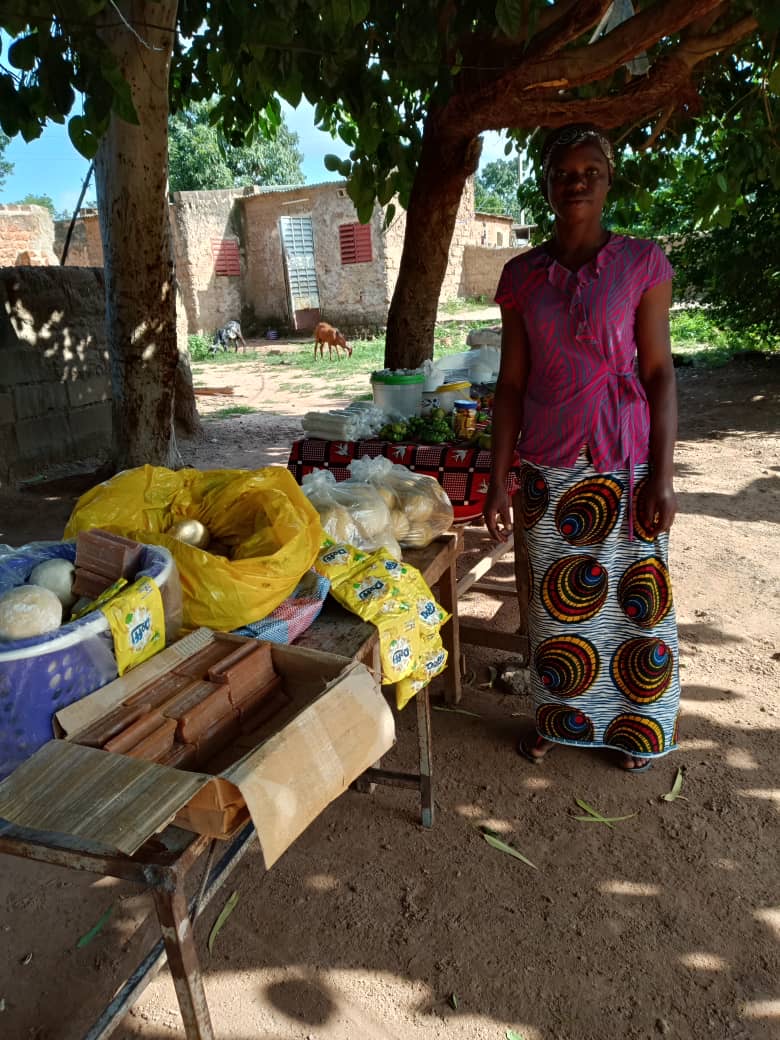
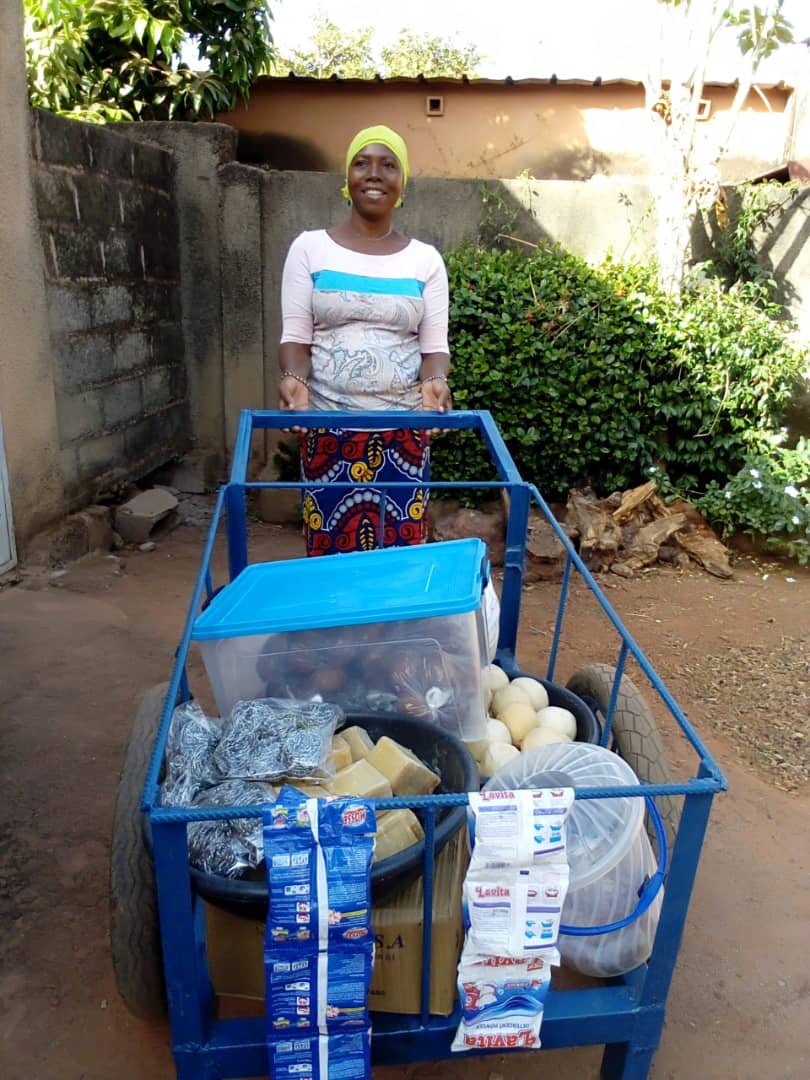
Djélia is a widow. To ensure her livelihood and that of her family, she sells various household articles
in front of her house. Soap, washing powder, spices, in small packaging, reflecting the needs of many people
in Burkina Faso who have limited disposable income for these basic needs.
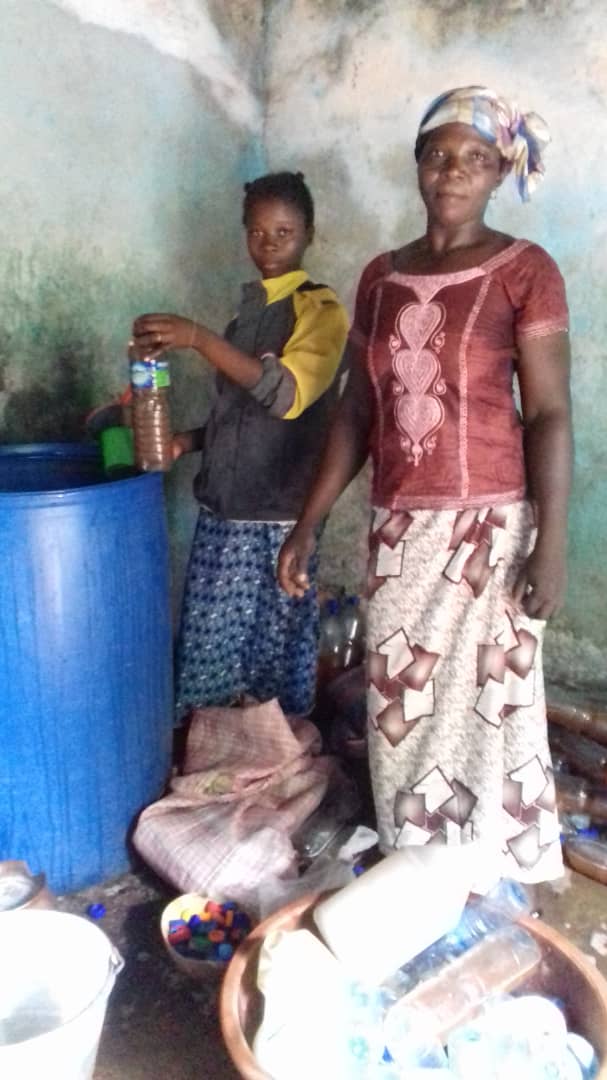
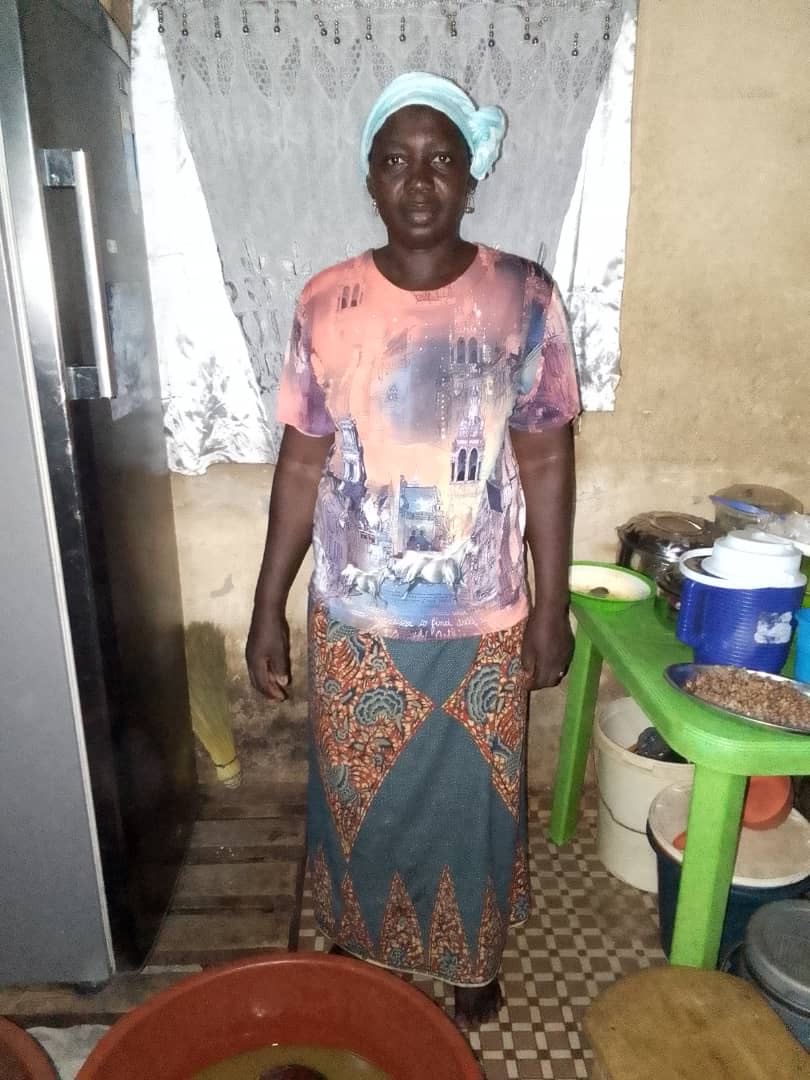
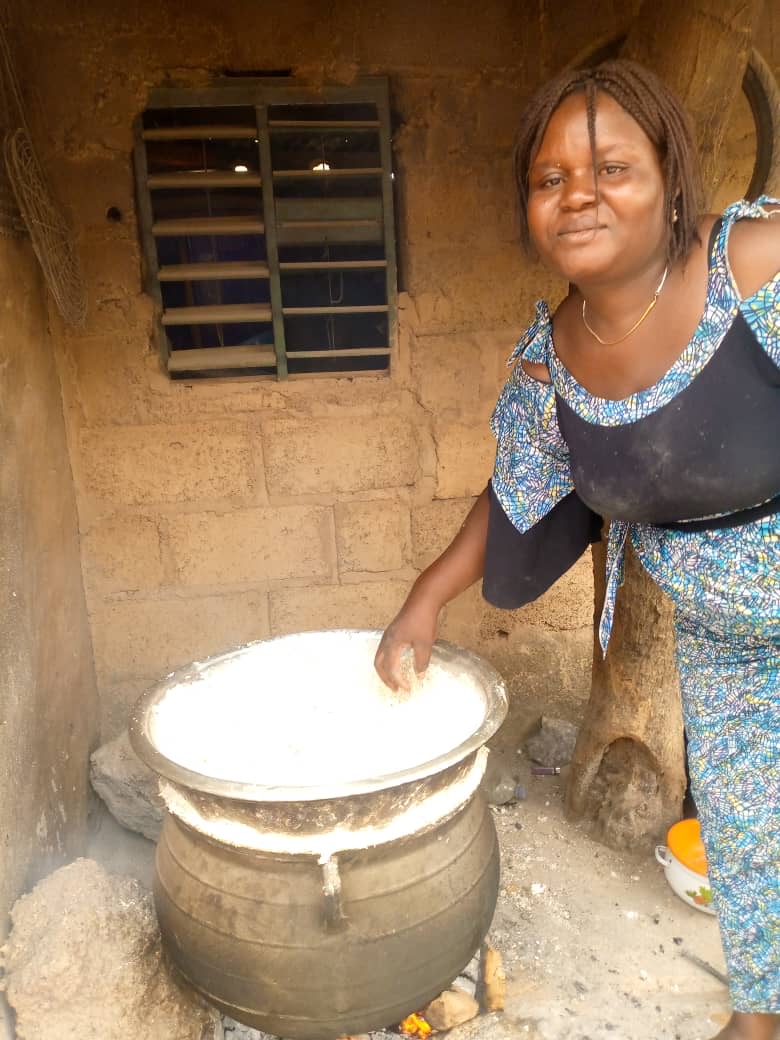
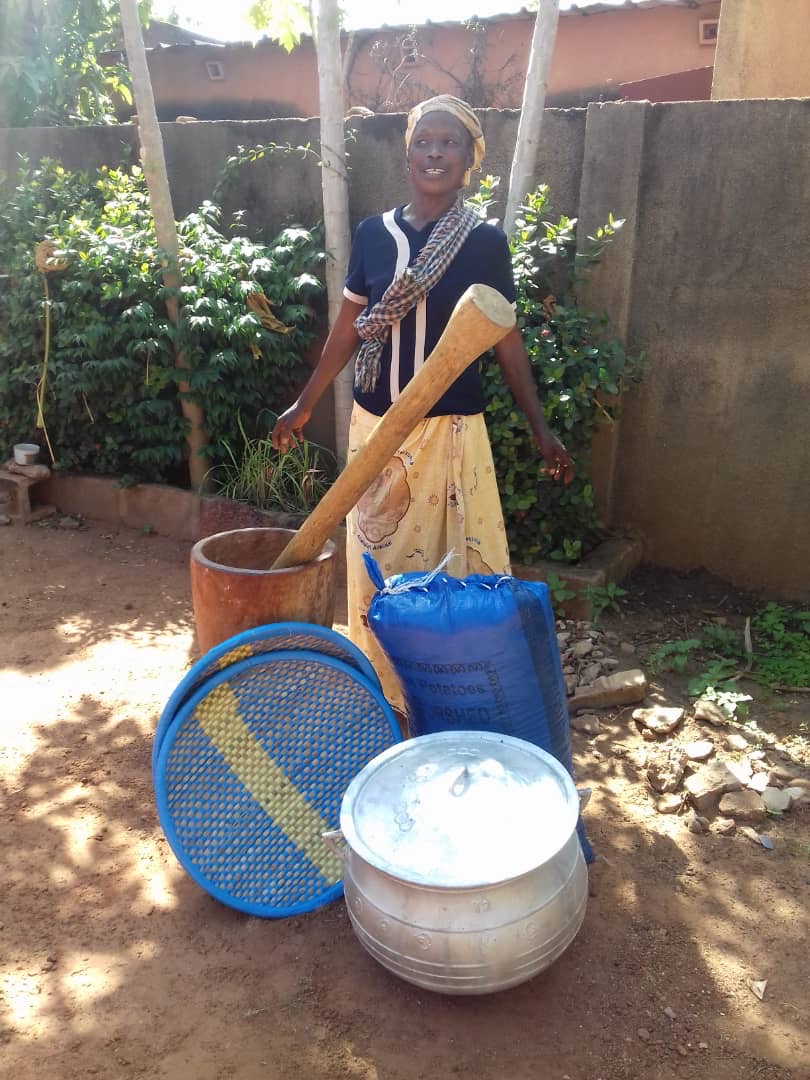
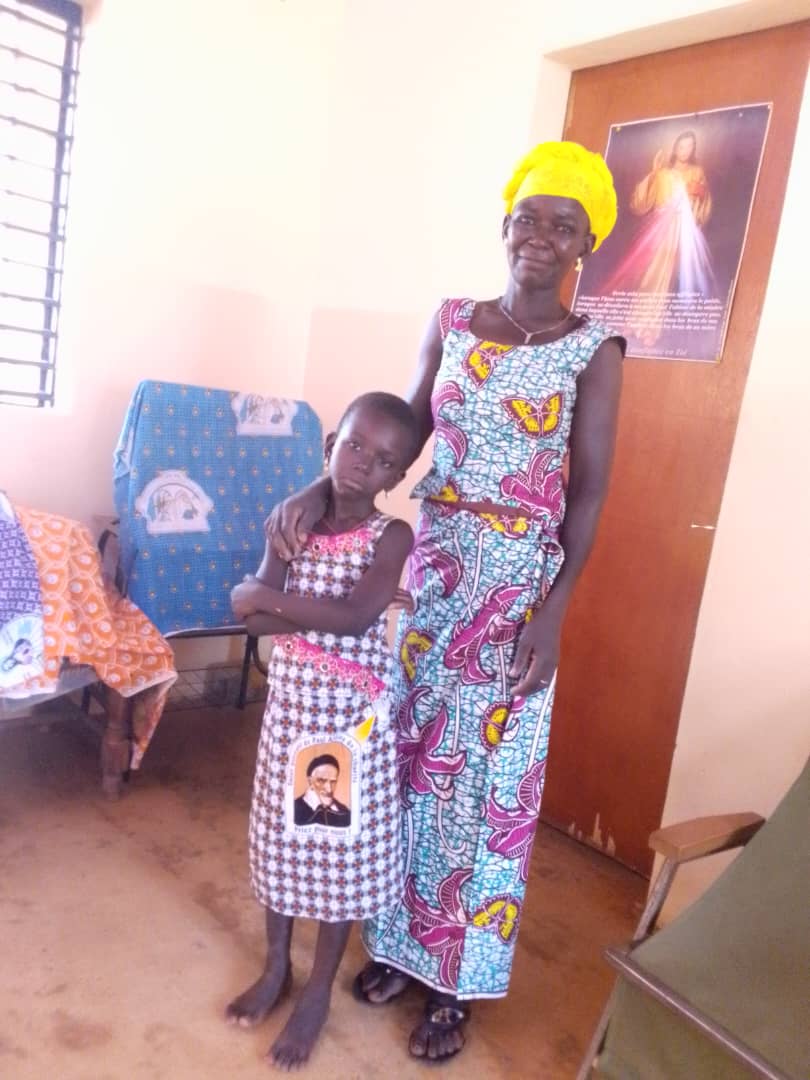
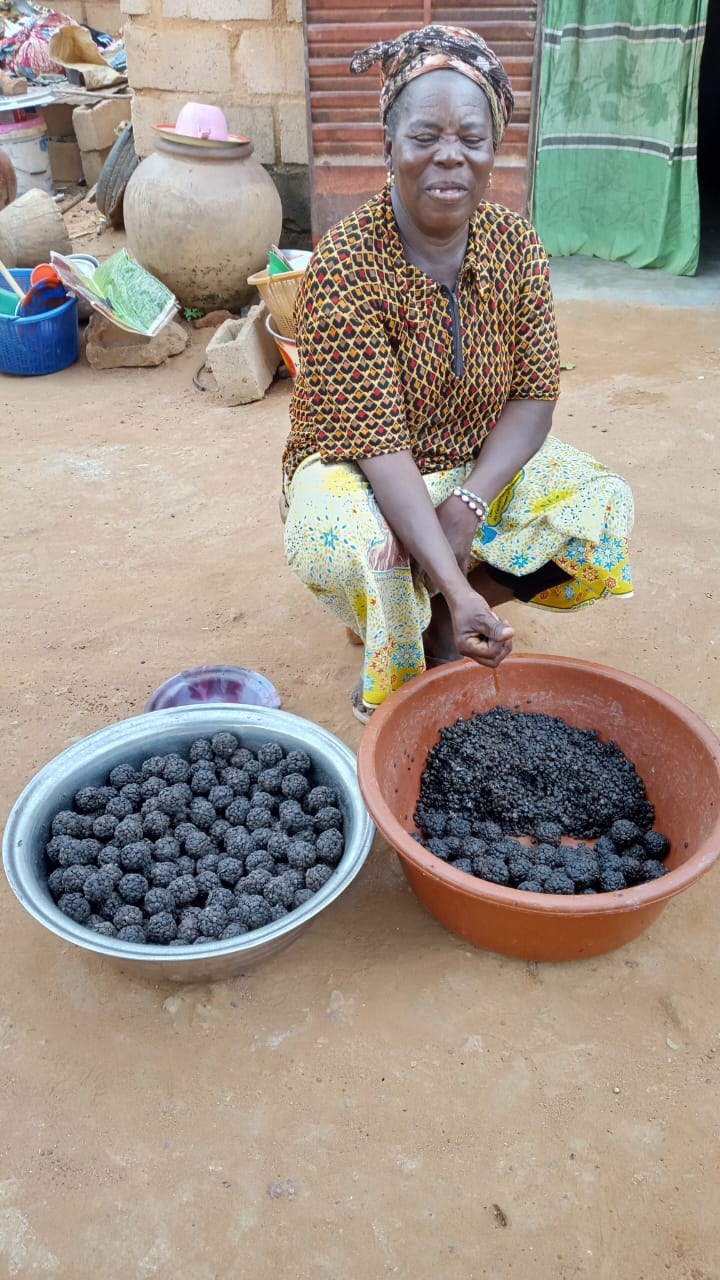
Odile with her daughter sell "dolo"drinks made from millet. Millet is an ancient grain, used both for human
and livestock consumption. The millet grain is drought and pest resistant. It is also abundant in nutrients and
health-beneficial phenolic compounds.
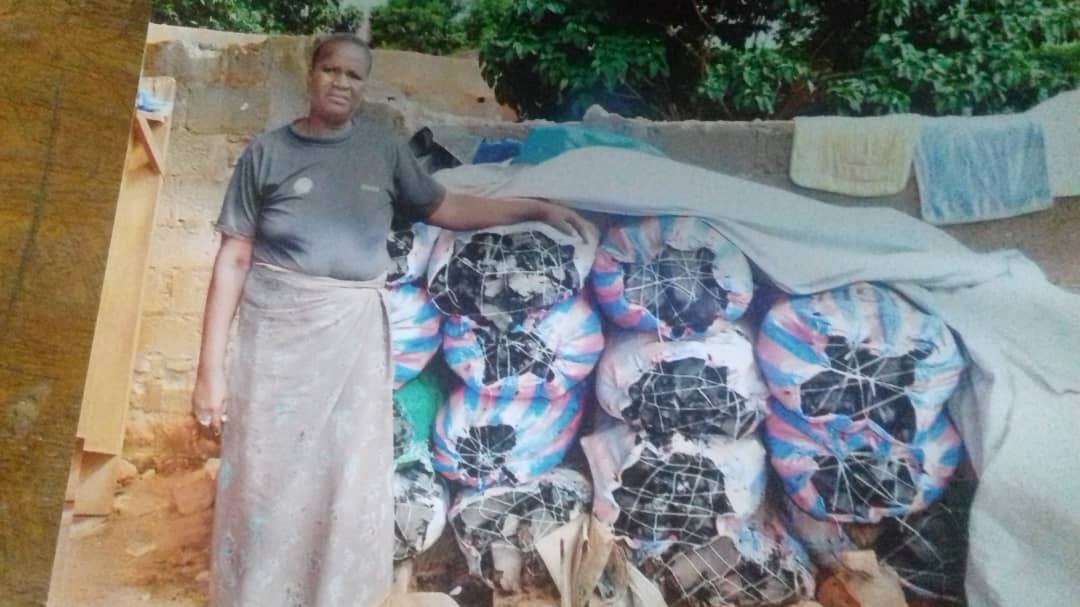
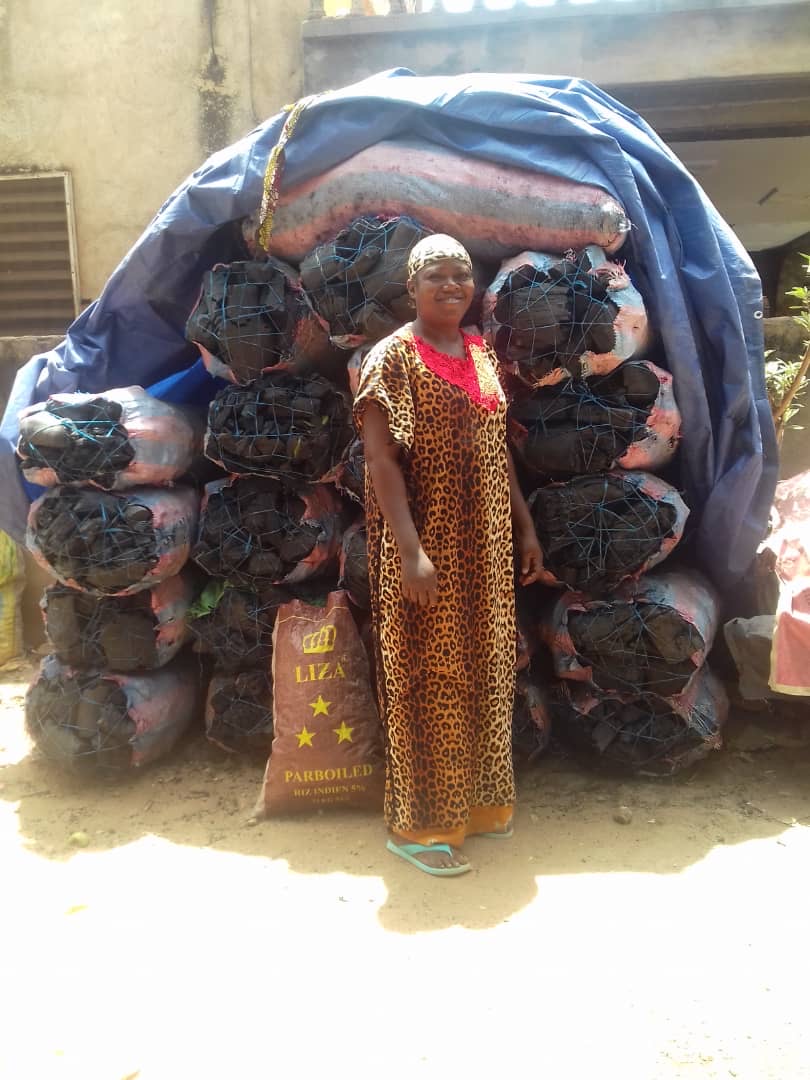
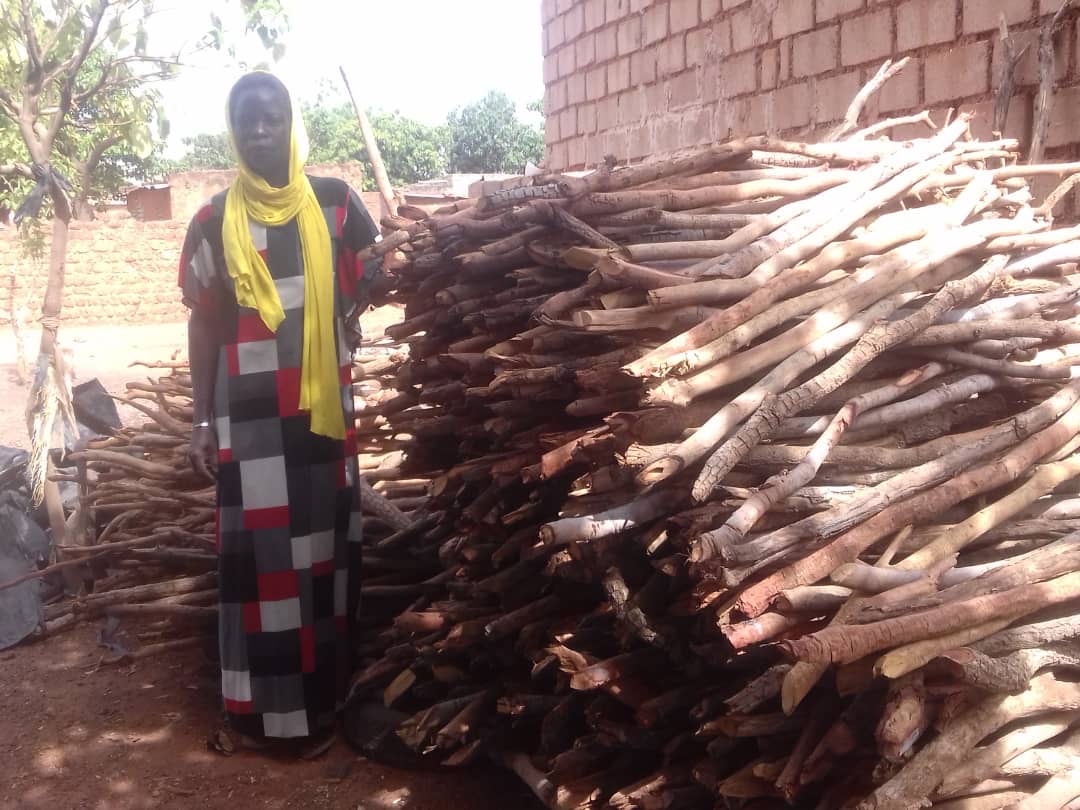
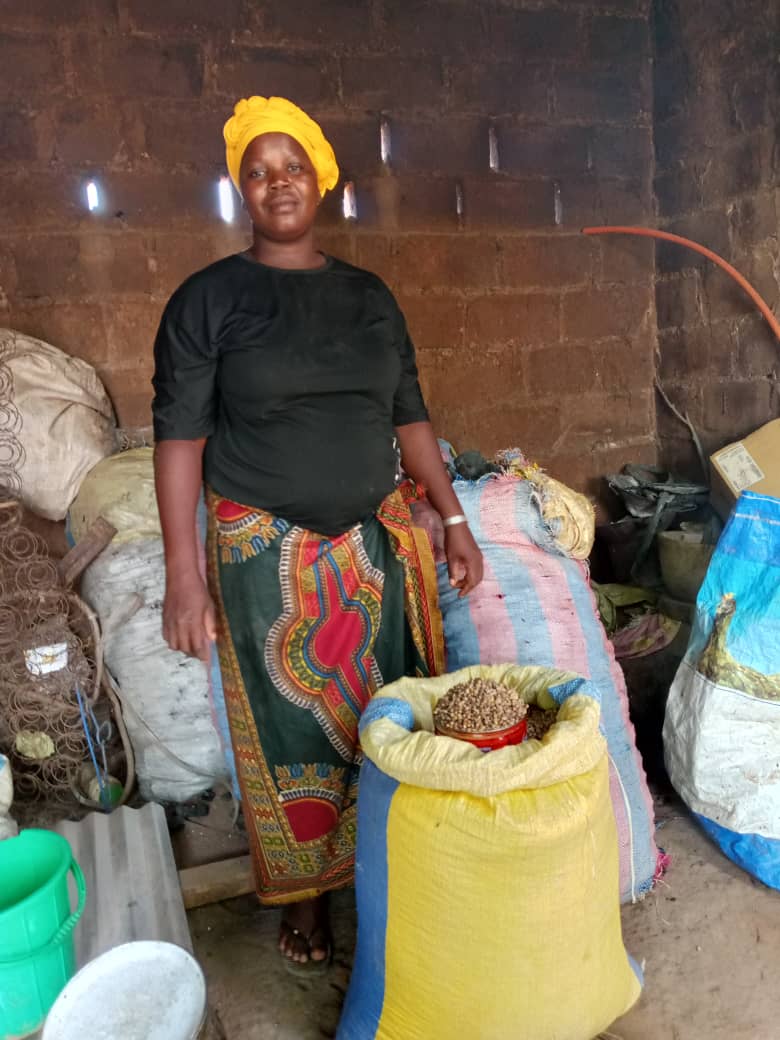
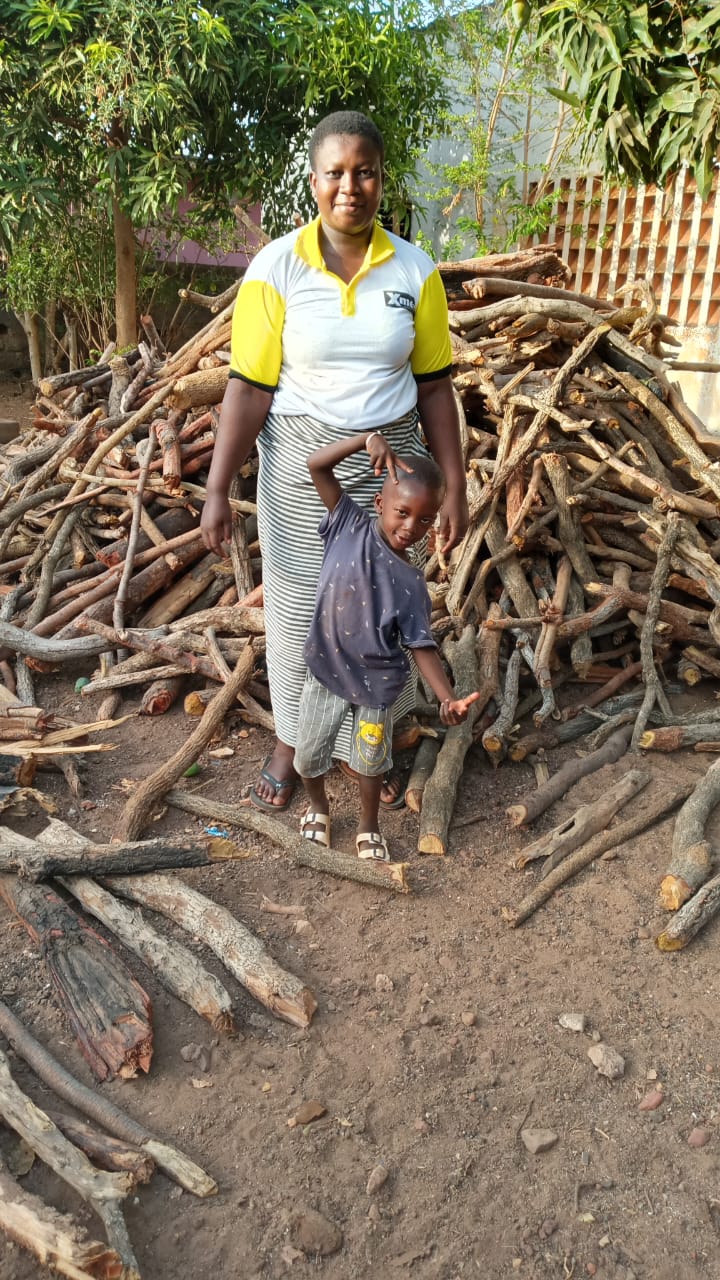
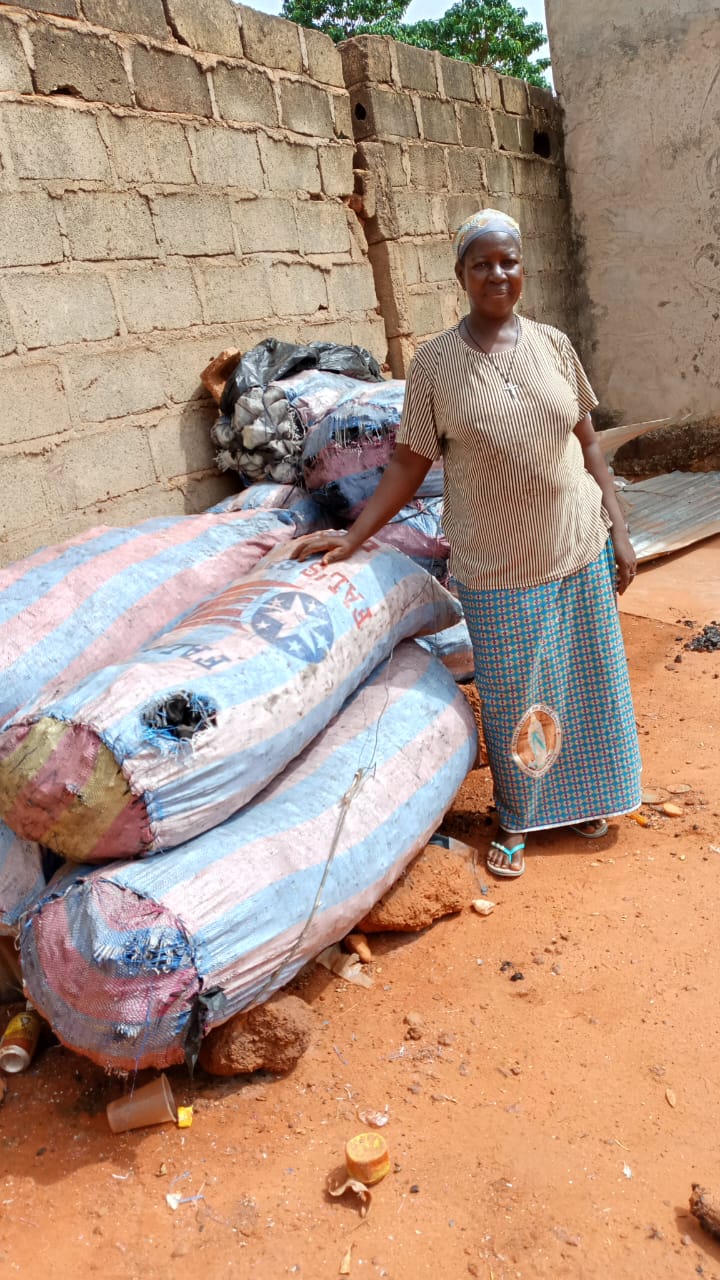
Elisabeth sells charcoal. Access to electricity is estimated around 21%, making Burkina Faso
one of the world's least-electrified countries. Cooking with charcoal is more efficient than cooking
with regular wood, speeding up a process mostly taken on by girls and women.
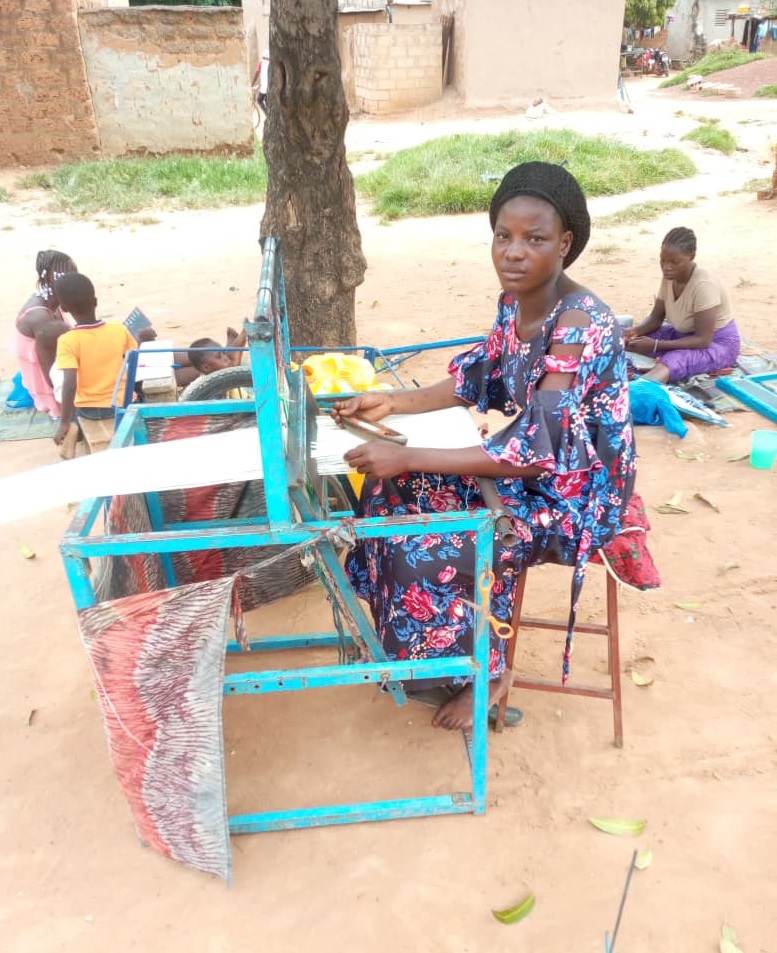
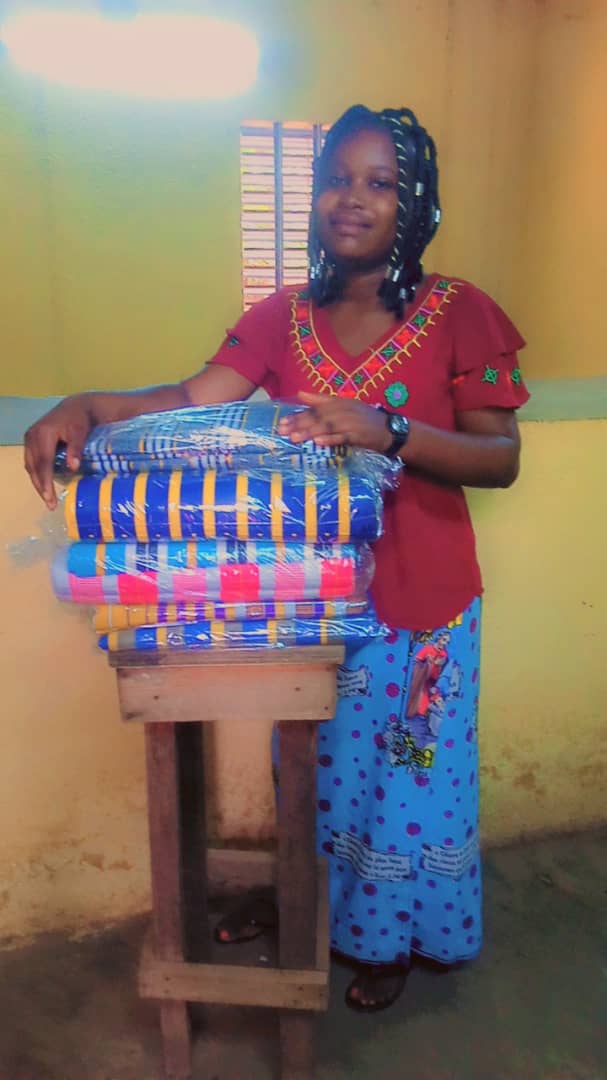
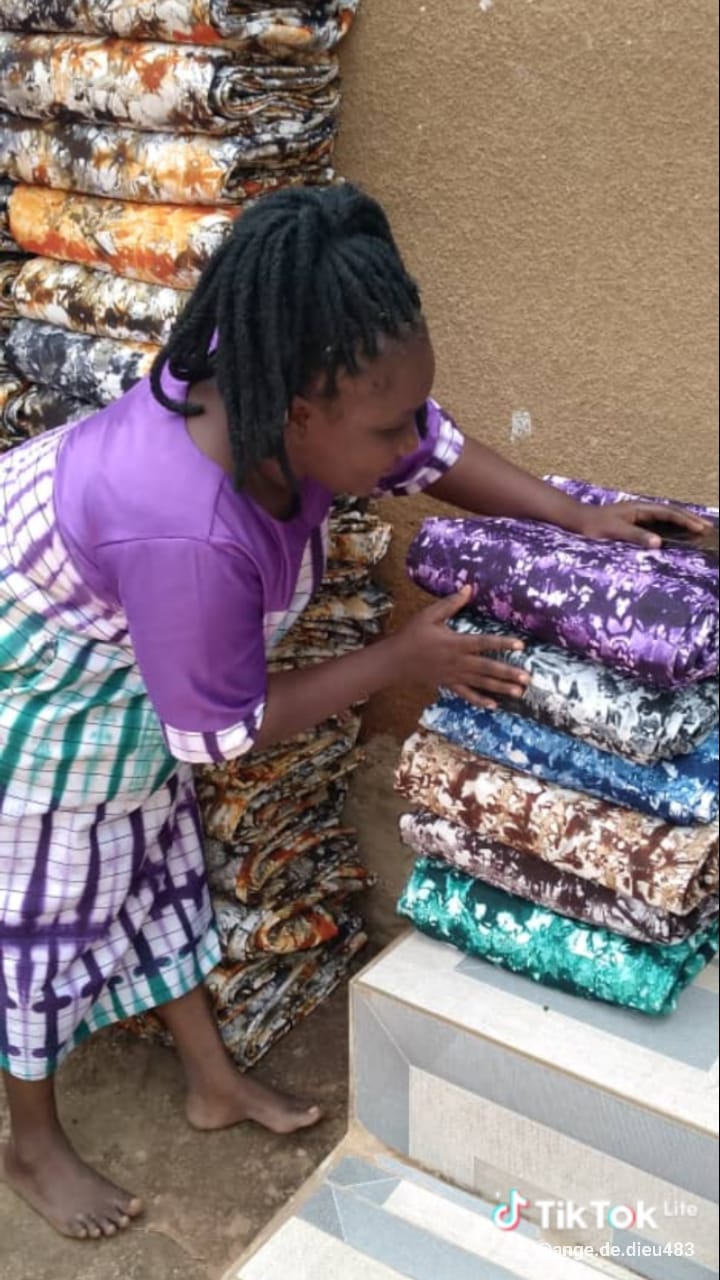
Marina is a textile weaver. Burkina Faso exports 98% of its cotton. While the local textile
industry suffers from the competition of cheap second-hand clothes imported from Europe and Asian
textiles, the Burkinabé have great pride in wearing the «faso dan fani», the traditional locally weaved
cotton fabric.
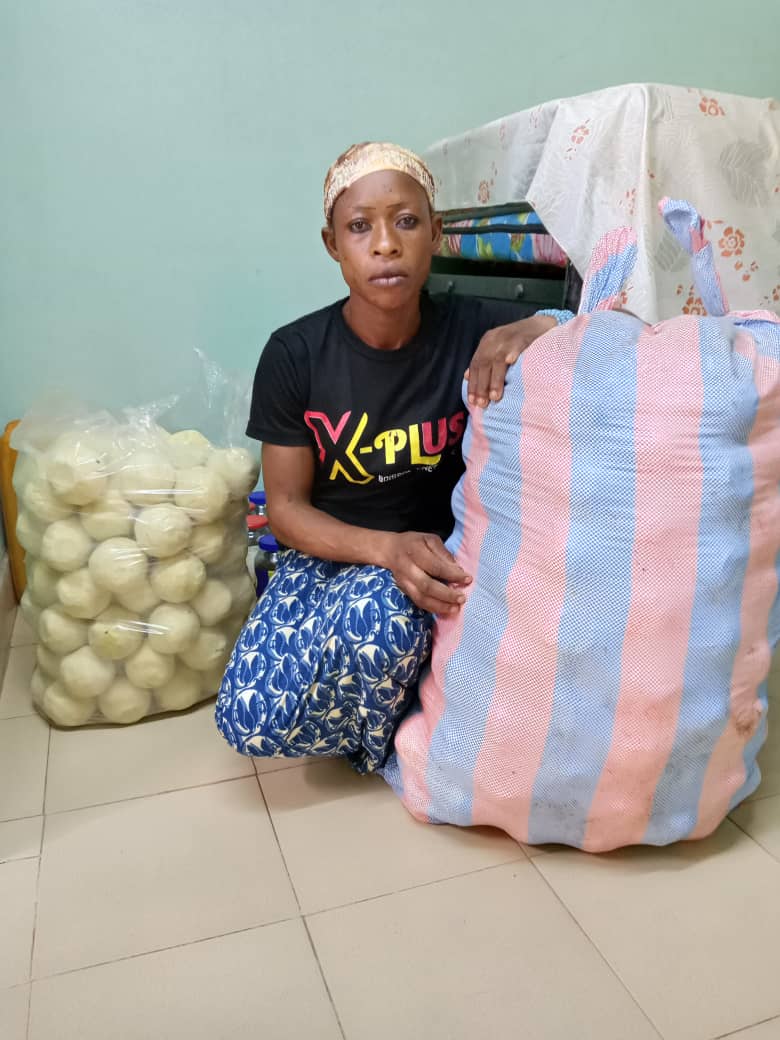
Germaine sells smoked fish and other condiments. The smoked fish is generally imported from Senegal or Ivory Coast,
when it does not reach the quality to be exported as fresh fish to Europe or to be used in the domestic hospitality
sector. It is an excellent and relatively low cost source of protein.
Alcohol consumption by men has increased in Burkina Faso in recent years, with the deterioration of
the security and economic conditions. It is not uncommon that men, unable or unwilling to assume their
family responsabilities, abandon wife and children. Edith's husband abandonned her, leaving her to care alone
for her children. The only possibility for women in Edith's position is often to try to secure a minimum
capital, to start a small commercial activity to earn some money.
L2H has in a first phase provided support to six women micro-entrepreneurs. This is now an on-going program
reaching many more beneficiaries.
Djélia in front of her house
Odile and her daughter preparing dolo
Elisabeth with her stock of charcoal
Marina operating her loom
Germaine selling smoked fish
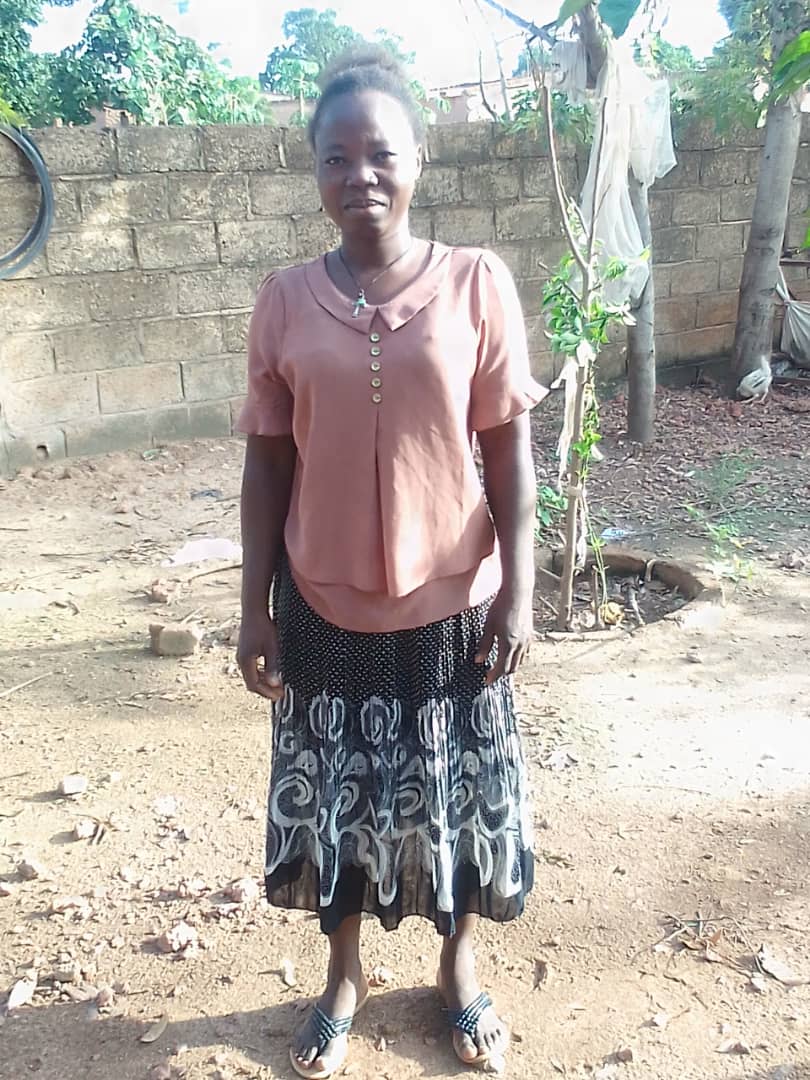
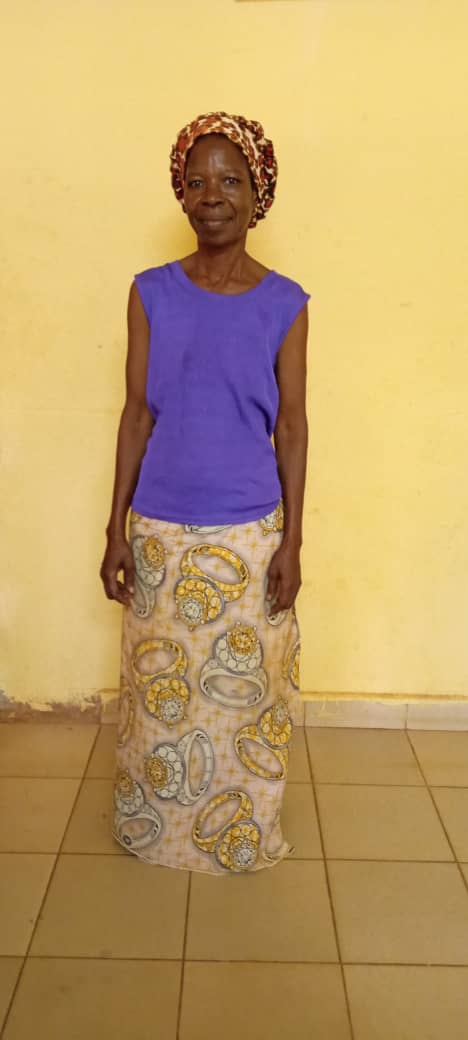
Edith in front of her house where she sells household goods
for a small profit
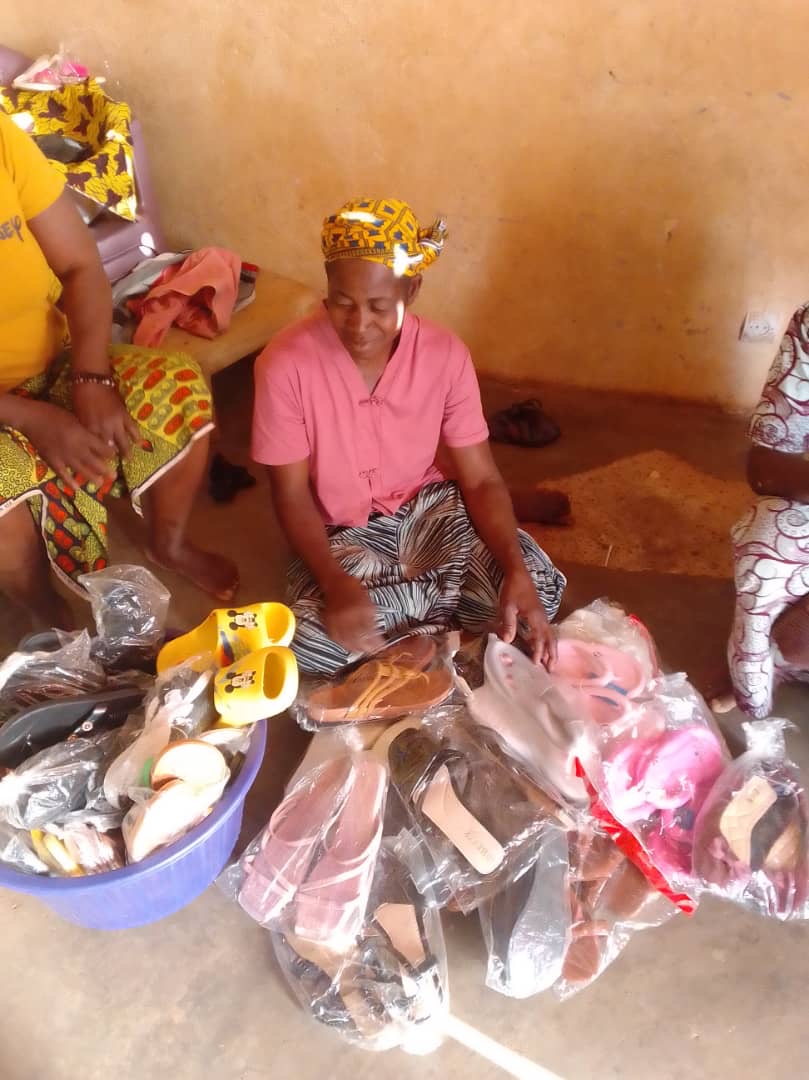
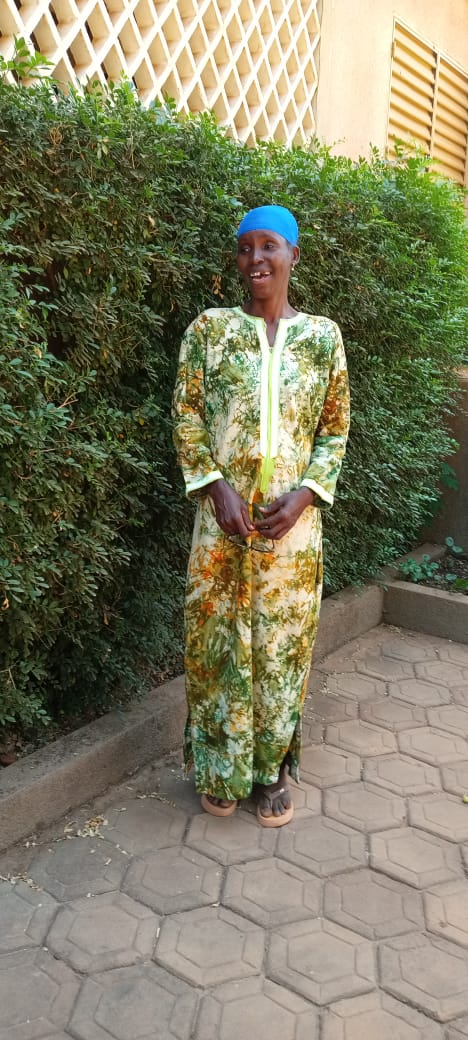
Alice has received start-up capital to set up shop selling sandals
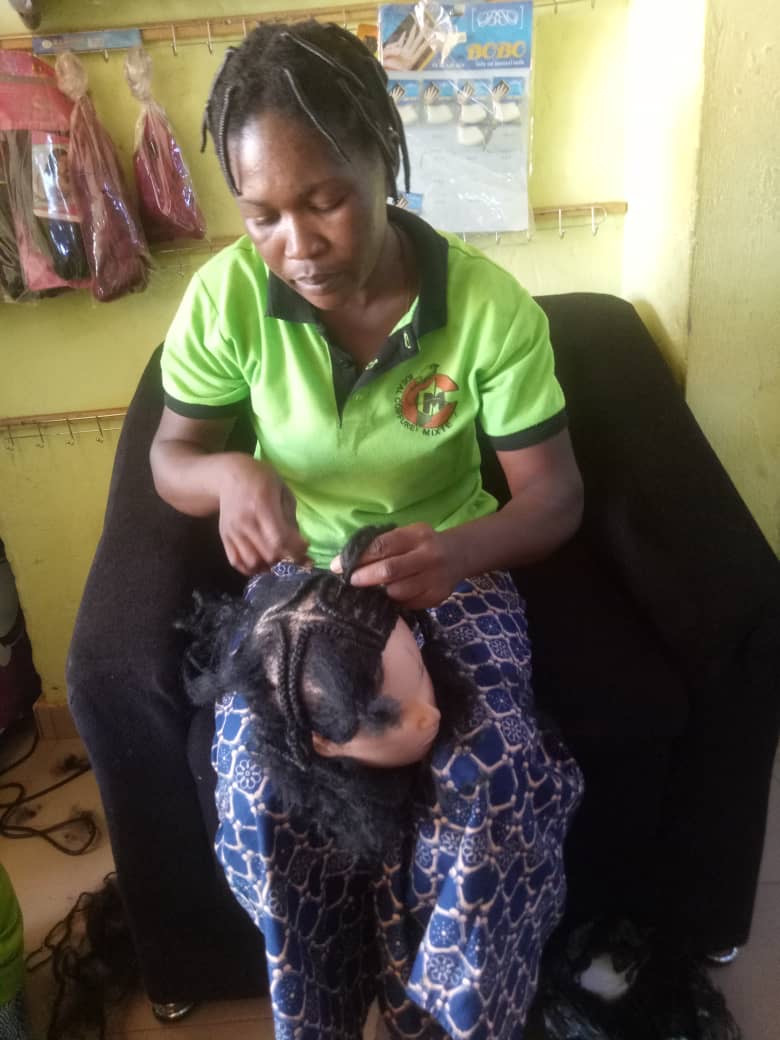
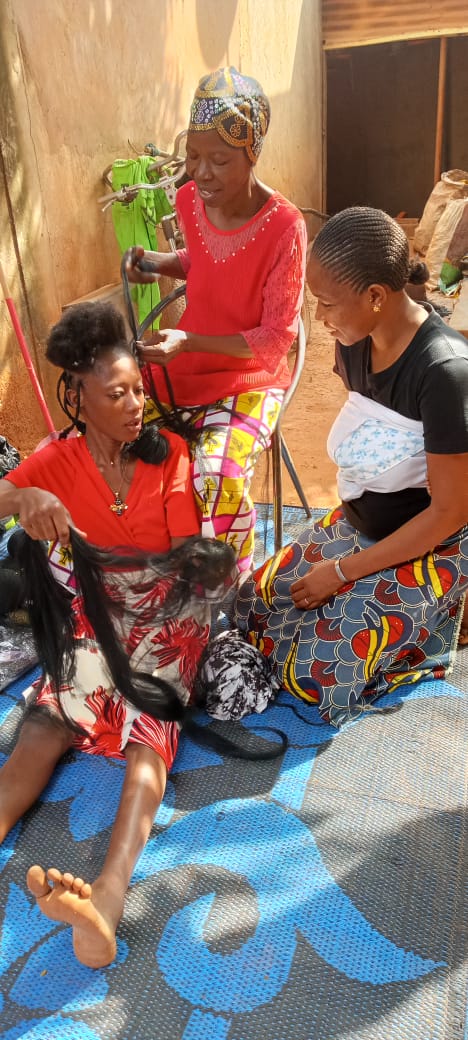
Estelle has received the working capital to operate as a hairdresser
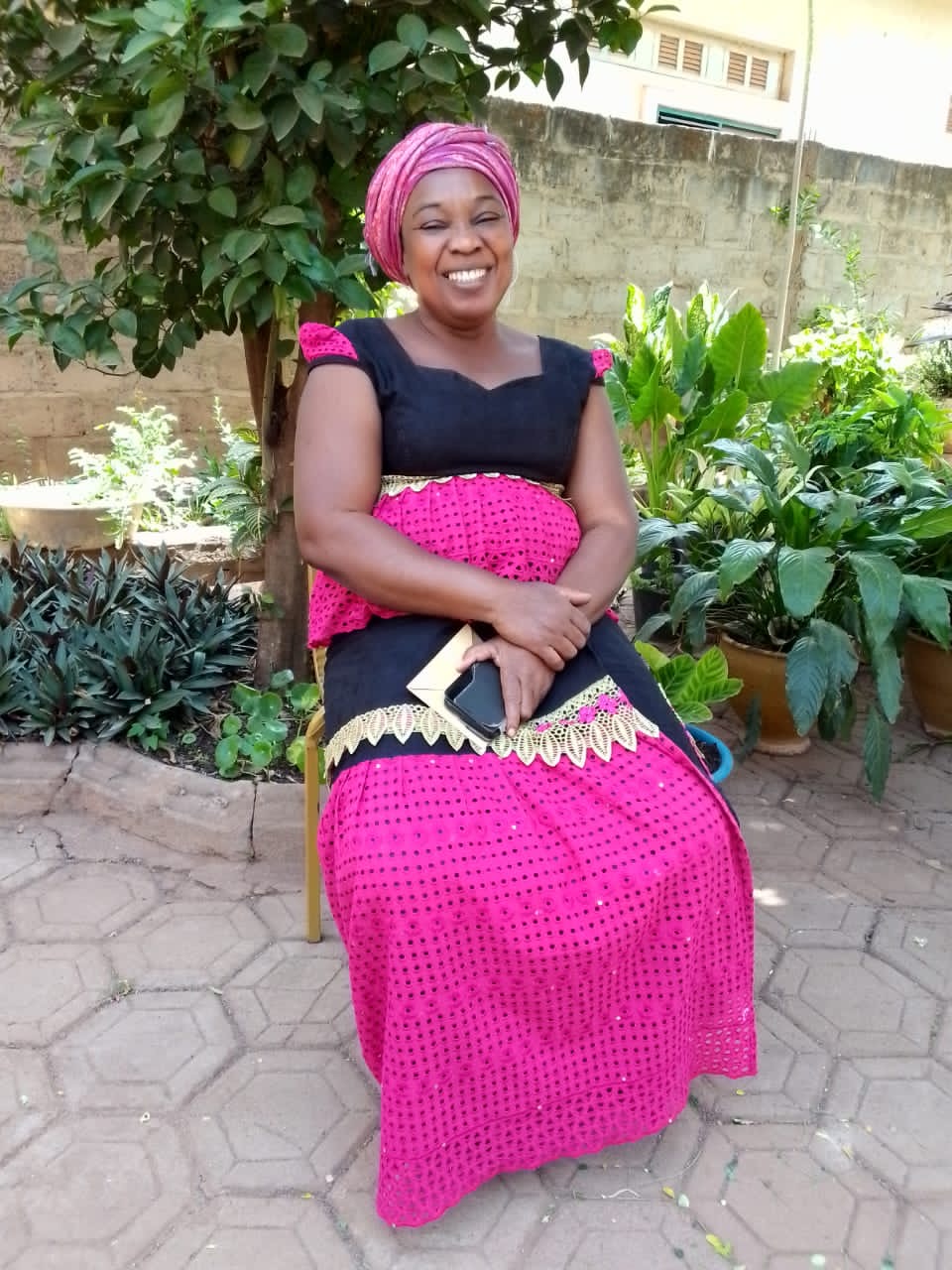
Jeanne, beneficiary of a donation to start micro commerce
Ivette, beneficiary of a donation to support her activity selling firewood
Awa, mother of 2 children, abandonned by her husband, has received funding to train as a hairdresser
Blandine has received a donation to restart her hospitality activity
Jeanne, with her stock of charcoal, funded by a donation
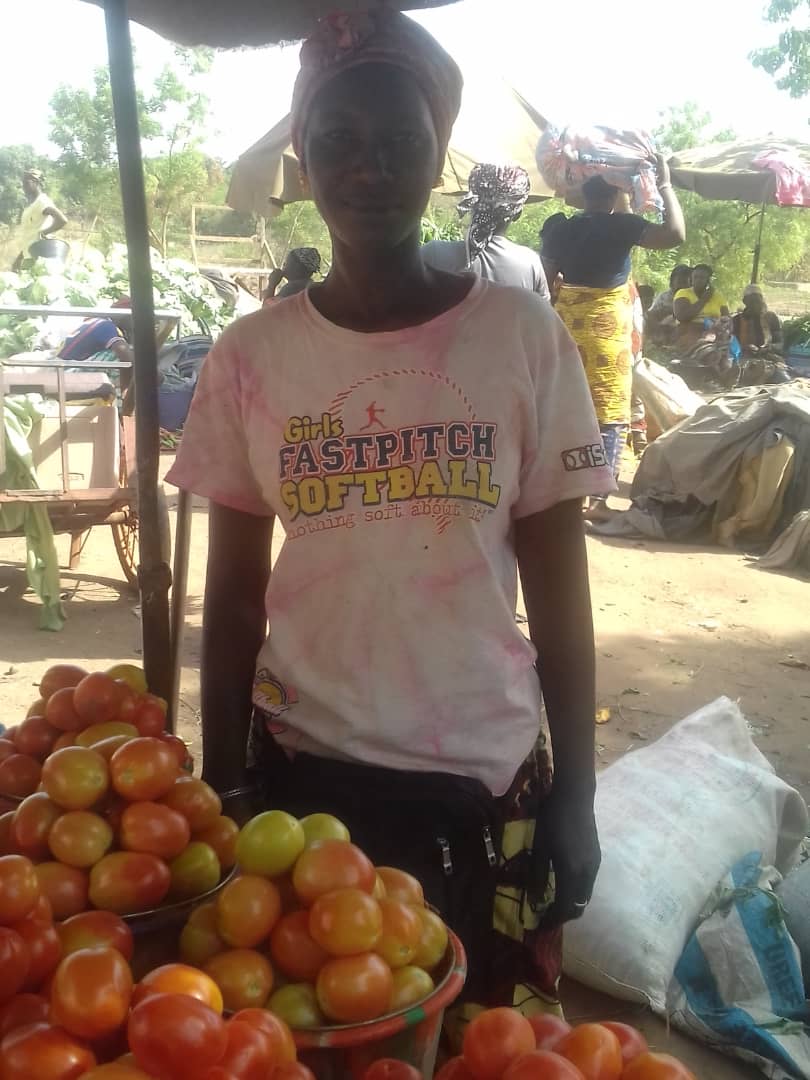
Mama, a beneficiary of funding for her tomatoes stall at the local market
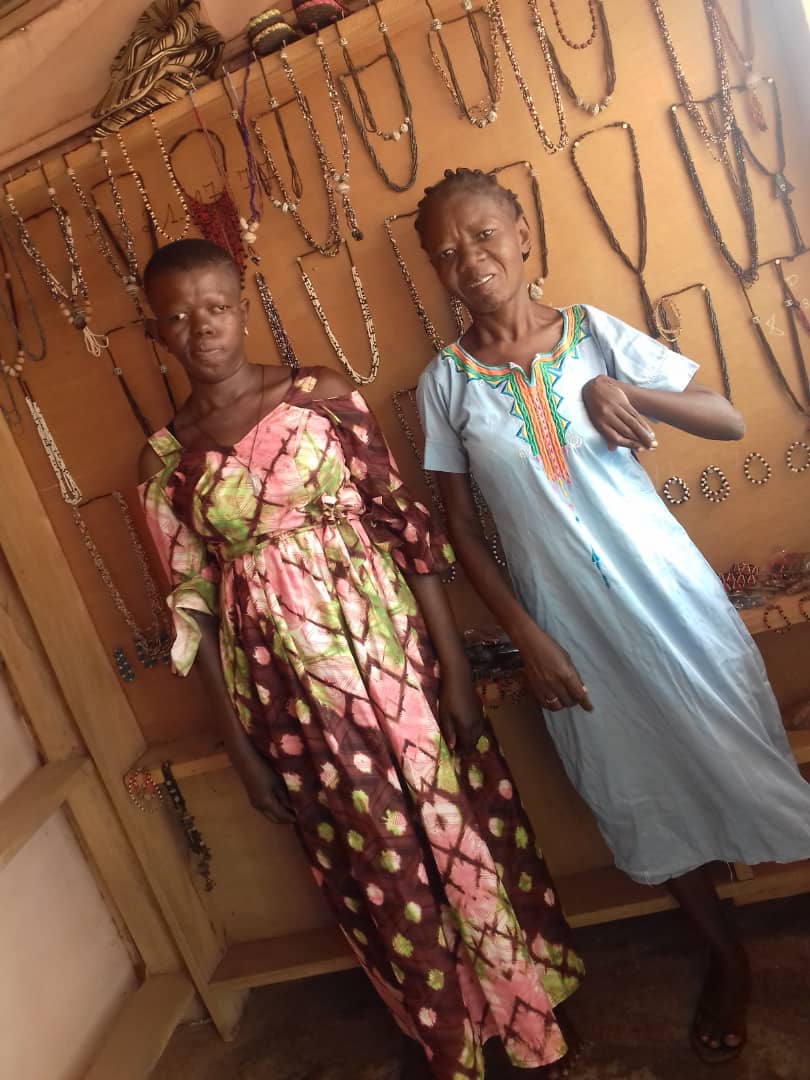
Jocelyne and Sabine have received funding to support their bracelets and necklaces making activity
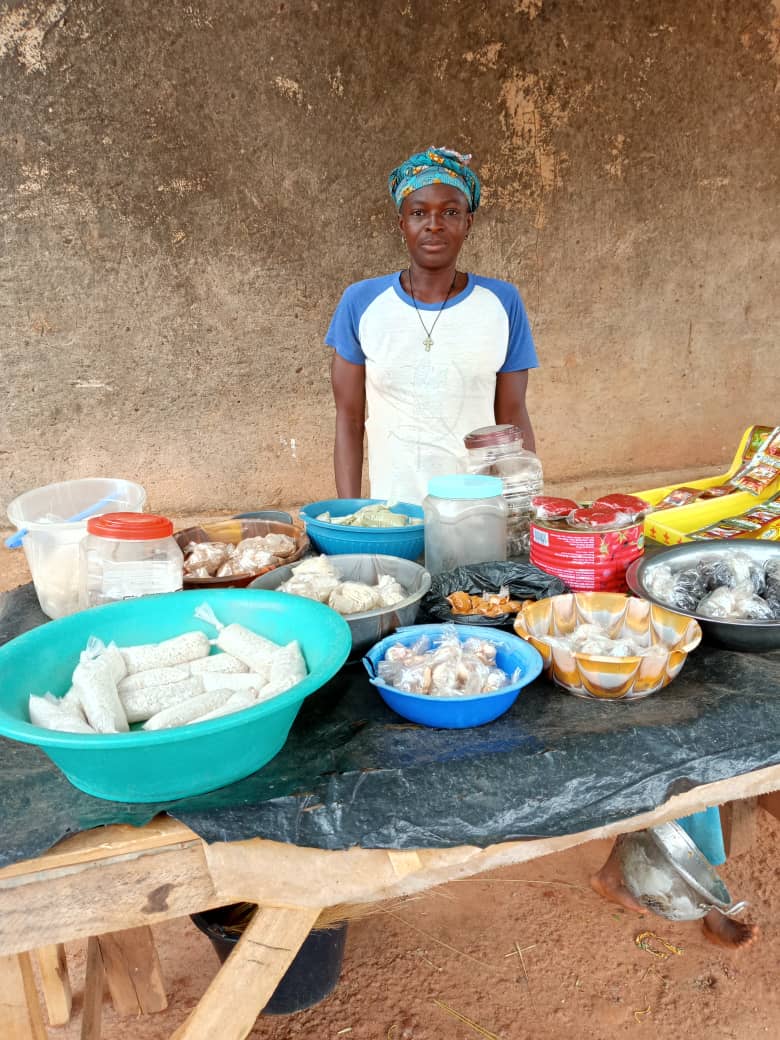
Nadège, a beneficiary of support for her market stall selling juices & snacks
Justine, received funding to prepare & sell attiéké (fermented cassava, a nutritious traditional dish)
Yvette,beneficiary of a donation to increase her activity selling wood
Brigitte, received a donation to set up a stall to sell washing powder and other personal hygiene products
Jessica, received support for her training of aspiring hairdressers
Justine has received additional funding to expand her attiéké business
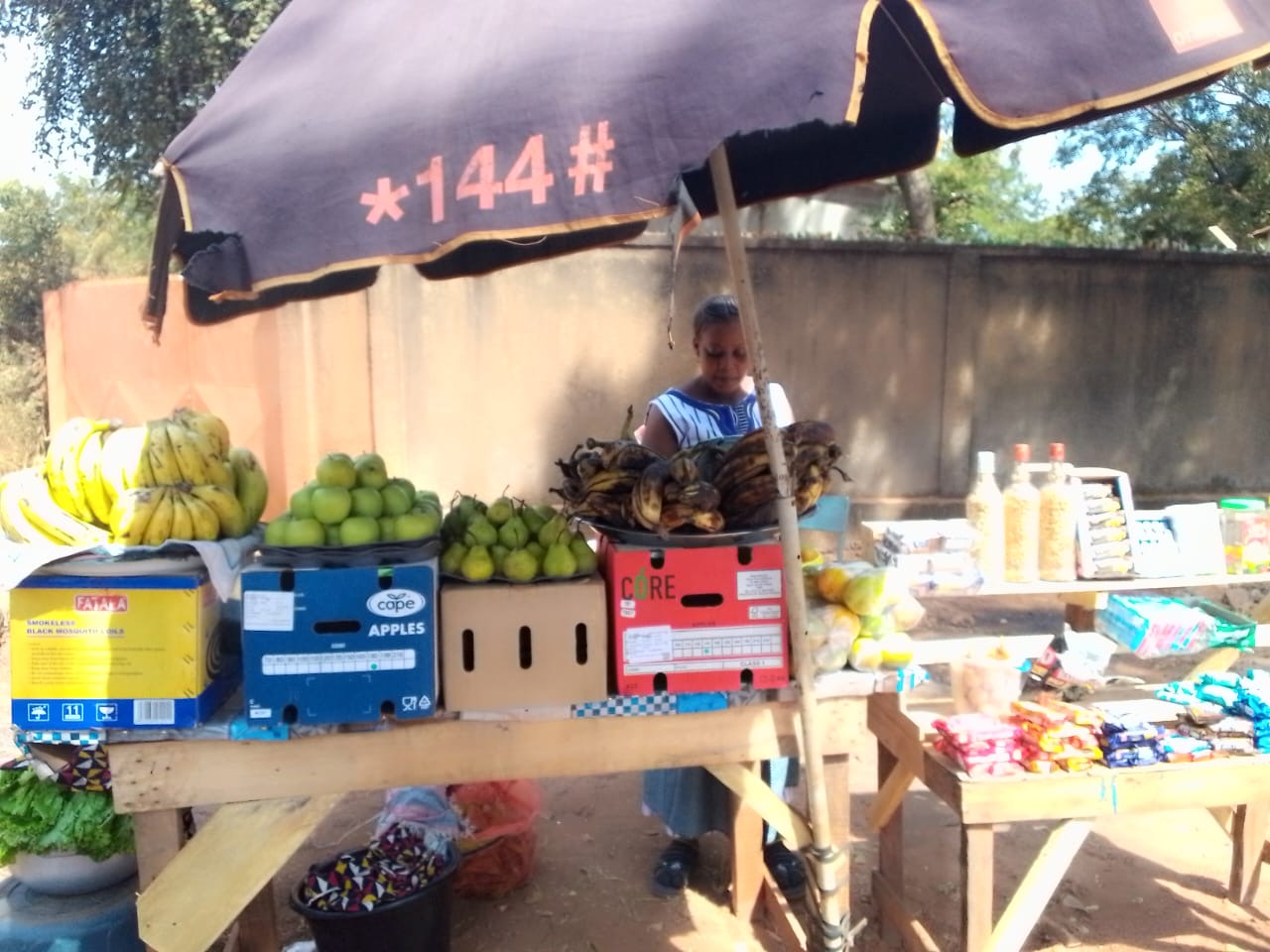
Angèle, recently divorced, with 2 children, has no source of income. She received funding for a fruit stall at the market
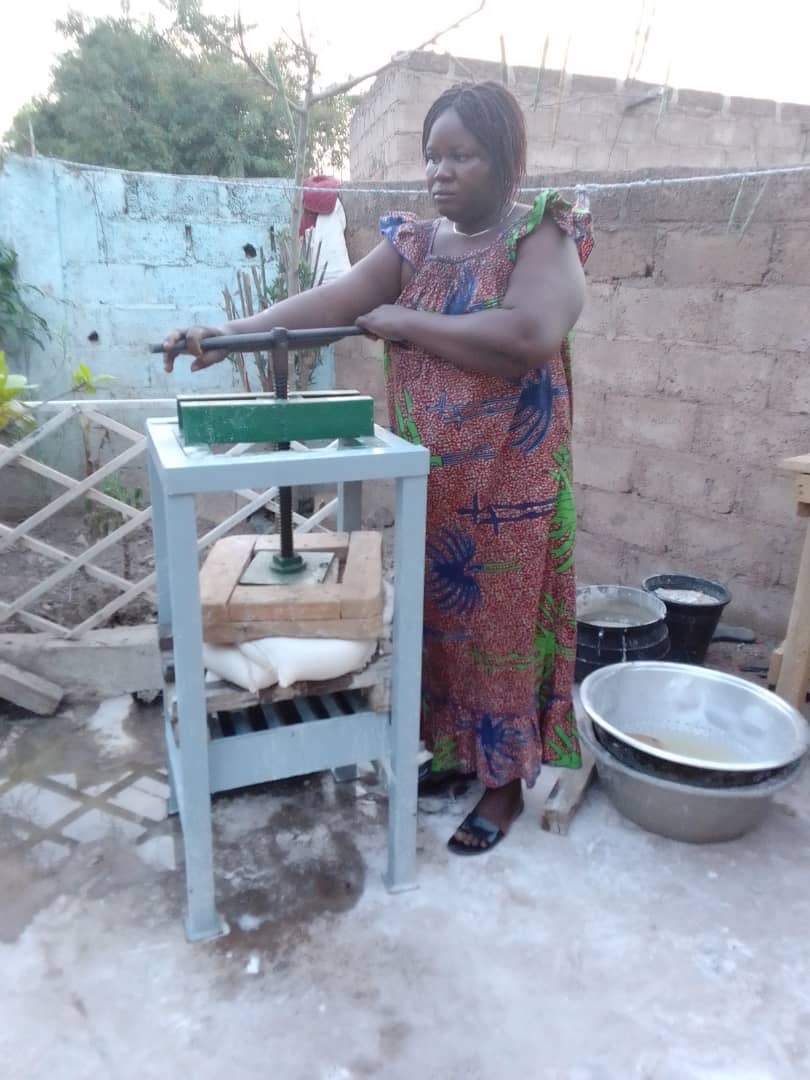
Célestine's husband left her and their 5 children. She has received funding to prepare Soumbala, the local mustard
Célestine with the material to prepare Soumbala
Somé has received funding to start the sale of "pagnes", a traditional skirt or dress worn by many women in particular in West and Central Africa
Angèle with her new fruit stall
Emilie has received working capital to increase her production of cotton textiles
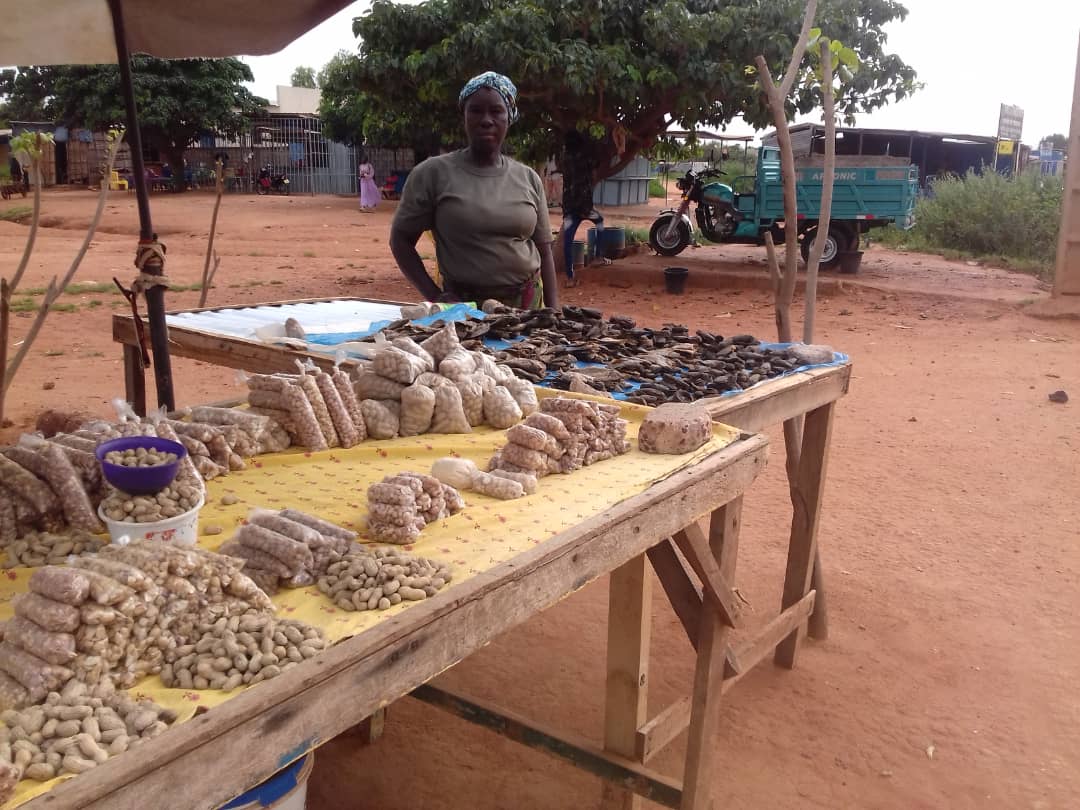
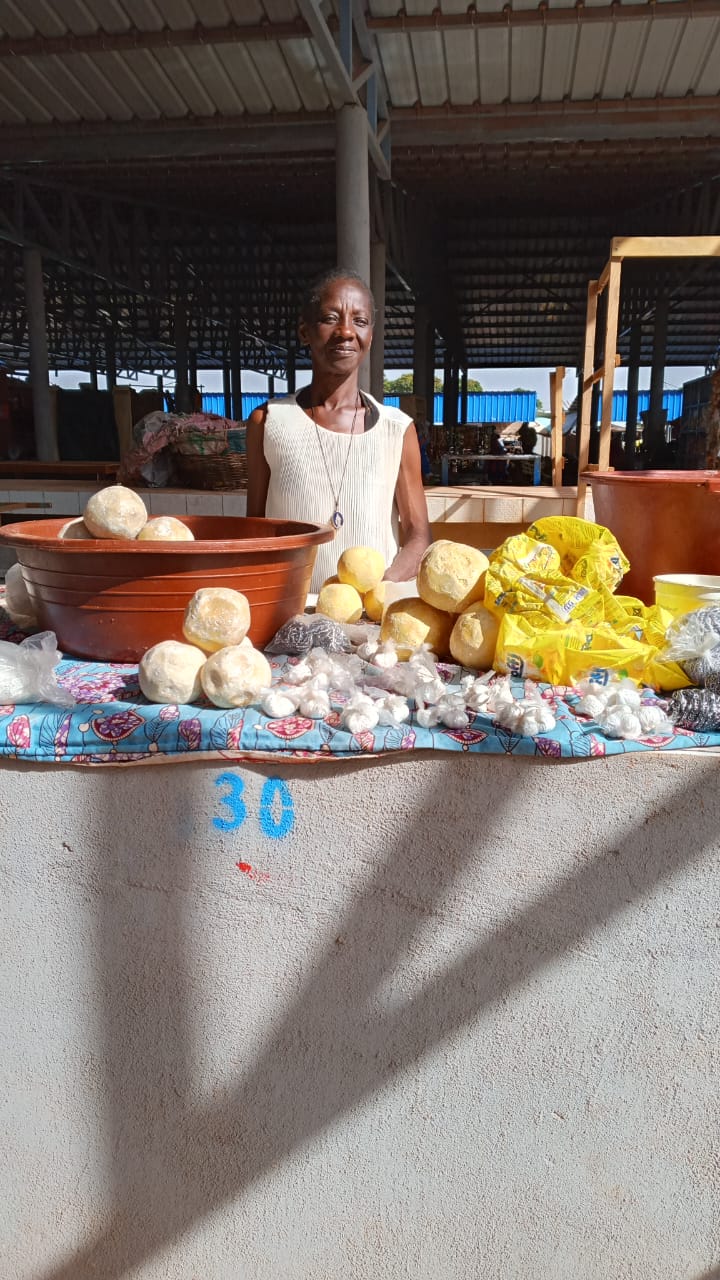
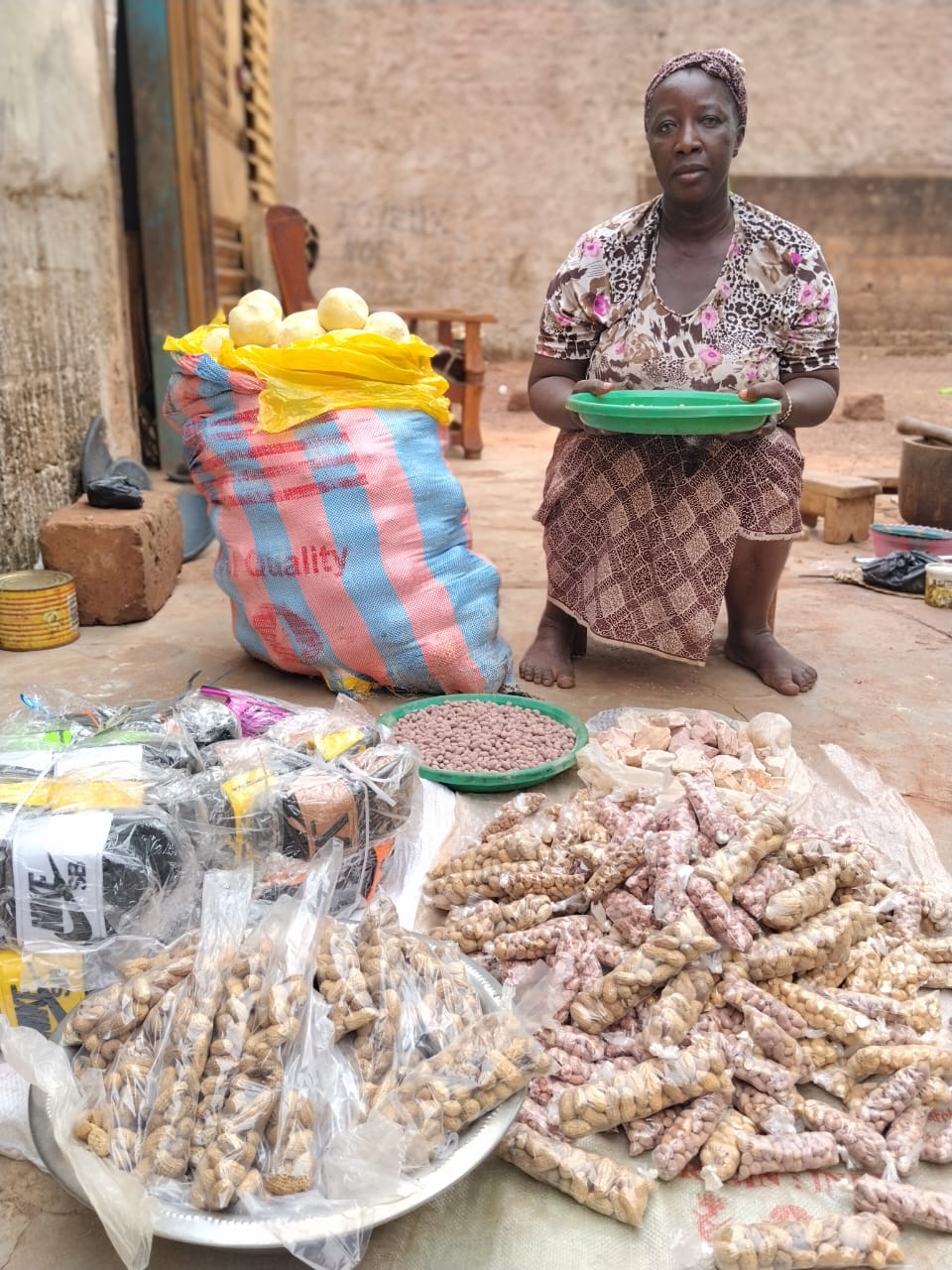
Suzanne, selling peanut paste and other seasonings and sauces
Evelyne has received funding for the schooling of her daughter and for a small cart to sell water and prepared foods
Odile, selling millet seeds and fuel charcoal
Marie-Jeanne, selling soap
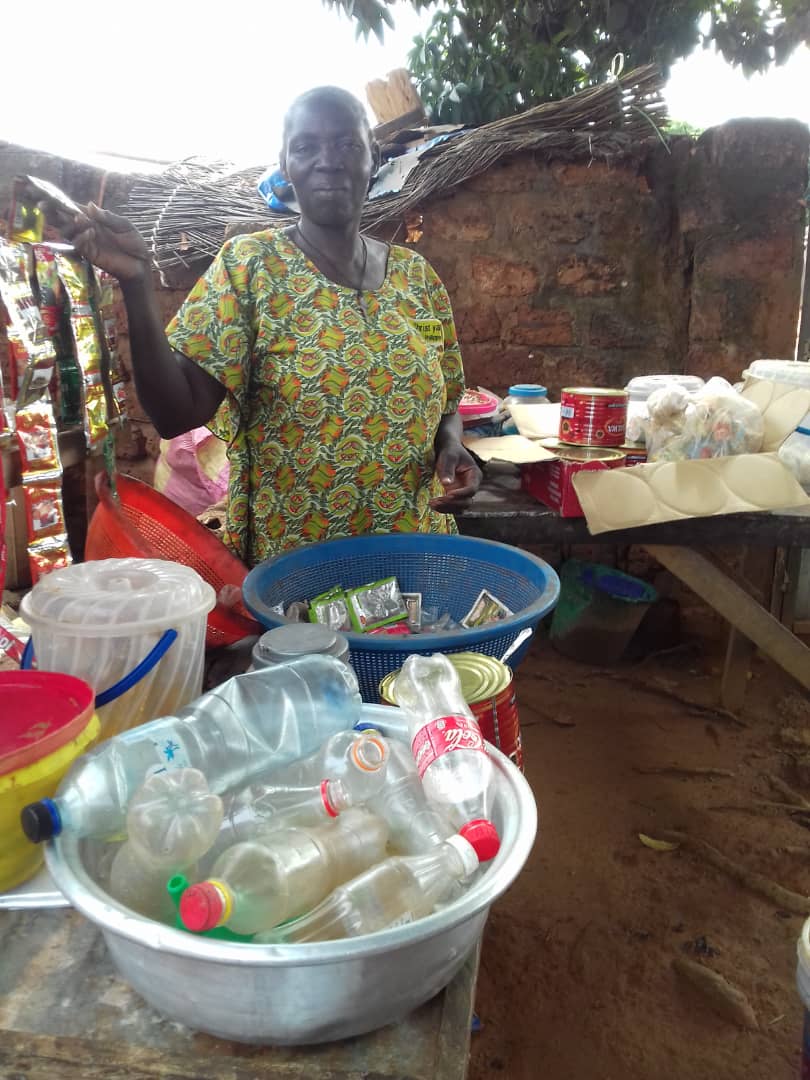
Natacha repackages foods into affordable individual portions for a small profit
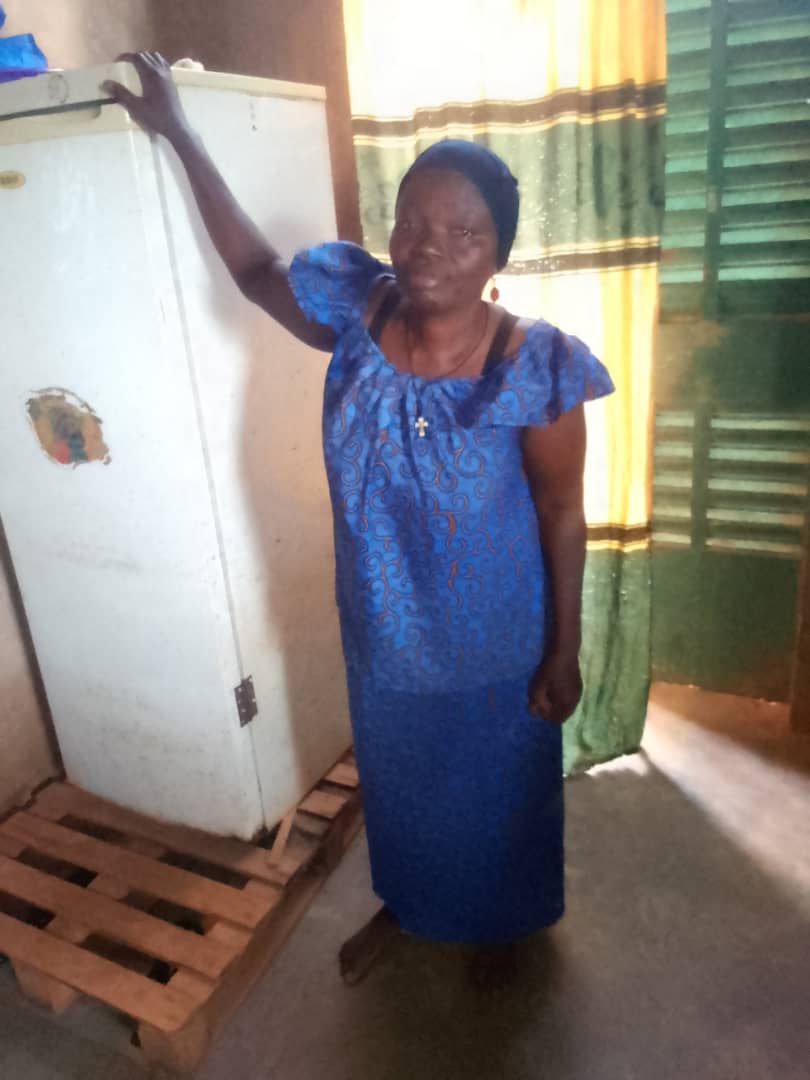
Adèle received a donation to repair the fridge where she stores food to be sold on the market
Georgette a beneficiary of funding for her charcoal business
Diane fabricates and sells the traditional cotton "pagnes"
Sandrine received funding to set up a market stall selling soap, food and other basic goods
Christiane operates a small food-to-go stall
Iman sells traditional clothes
Sonia received the financing to take a driving course and obtain her driver's licence
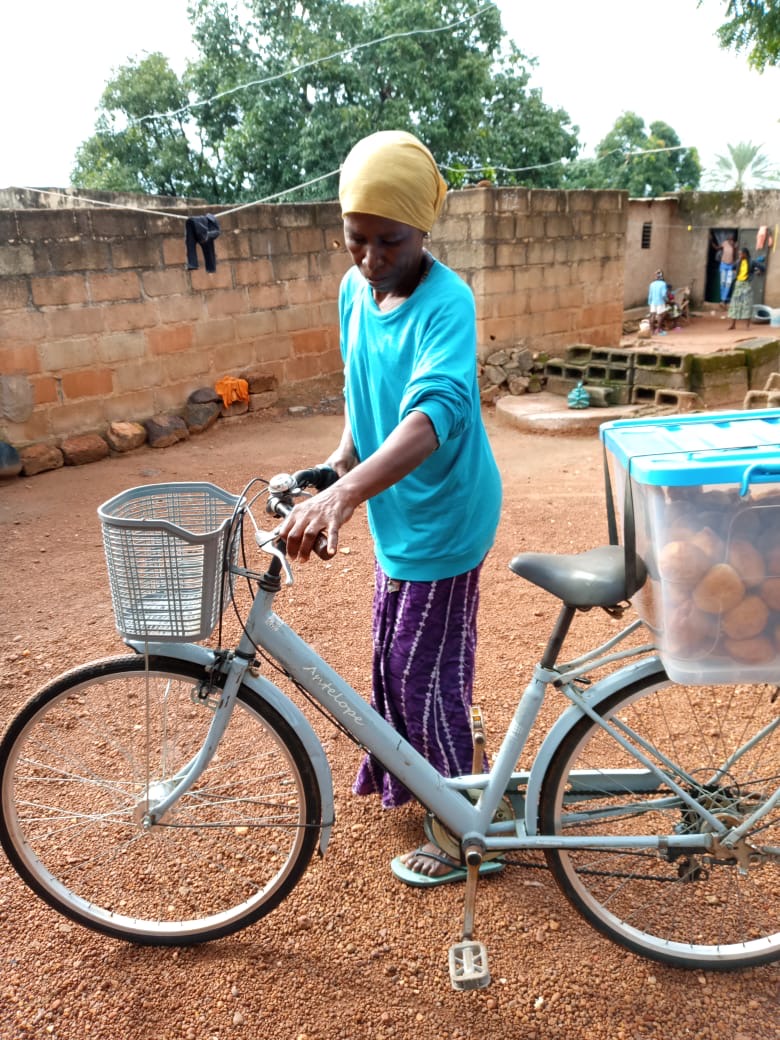
Catherine was able to buy a bike to transport her merchandise to the market